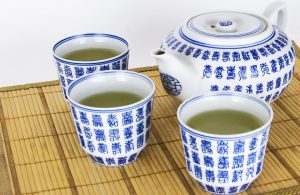
Bone china is renowned for its delicate appearance, translucent quality, and exceptional strength. Despite its fragile look, this luxurious ceramic is surprisingly durable, making it a favourite for fine dinnerware and decorative pieces. The production process combines traditional craftsmanship with precise techniques, transforming raw materials into elegant pieces that have been treasured for centuries. Understanding how bone china is made reveals the skill and attention to detail required at every stage.
Stage one: preparing the raw materials
The production begins with carefully measured ingredients. Bone china typically contains around 50% bone ash, derived from calcined animal bones, along with china clay (kaolin) and china stone (petuntse). The bone ash gives the china its characteristic whiteness and translucency. These materials are weighed precisely to ensure consistency across batches. The bone ash must be finely ground and purified before mixing, whilst the clay and stone are processed to remove impurities. This meticulous preparation forms the foundation for quality bone china.
Stage two: mixing and shaping
Once prepared, the raw materials are combined with water to create a smooth, workable slip. This liquid mixture is then formed into the desired shapes using various techniques. Larger items like plates and saucers are typically created through jiggering, where the slip is poured into moulds on rotating wheels. Cups and more intricate pieces may be cast in plaster moulds, which absorb excess moisture and allow the shape to form. The pieces are left to dry partially before being carefully removed from their moulds. At this stage, the unfired china is extremely fragile and requires gentle handling.
Stage three: first firing (biscuit firing)
The shaped pieces undergo their first firing in a kiln at temperatures around 1,200°C. This biscuit firing transforms the soft clay into a porous, unglazed ceramic known as bisque. During this process, the chemical structure of the materials changes permanently, and the pieces shrink slightly. The biscuit firing gives the china enough strength to be handled during decoration whilst maintaining porosity that allows glazes to adhere properly. After cooling, any rough edges are smoothed away through careful sanding.
Stage four: glazing
The bisque pieces are then dipped or sprayed with a liquid glaze, which forms a smooth, glass-like coating when fired. The glaze not only enhances the china's appearance but also makes it waterproof and more resistant to staining. Bone china glazes are formulated to remain clear and brilliant white, highlighting the material's natural translucency. Workers must apply the glaze evenly to avoid drips or thin spots that could mar the finished product. Any decorative transfers or hand-painted designs are typically applied at this stage, either under or over the glaze depending on the desired effect.
Stage five: glost firing
The glazed pieces return to the kiln for the glost firing, reaching temperatures between 1,050°C and 1,100°C. This second firing melts the glaze, creating a smooth, glossy surface that fuses permanently with the bisque beneath. The heat also sets any decorative elements applied before firing. During this process, the pieces are carefully positioned to prevent them from touching each other or the kiln walls, as contact points would leave permanent marks. The kiln's temperature must be controlled precisely to achieve the perfect finish without damaging the delicate pieces.
Stage six: inspection and finishing
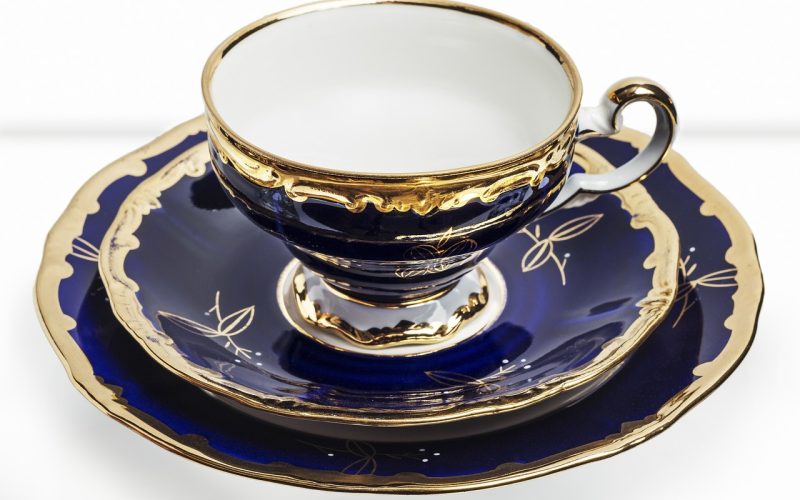
After cooling, each piece undergoes rigorous quality inspection. Trained craftspeople examine the china for flaws such as cracks, discolouration, or imperfections in the glaze. Any decorative elements applied after glazing, such as gold or platinum bands, require a third firing at lower temperatures to fix them permanently. Finally, the bases are smoothed to prevent scratching on table surfaces, and pieces may be stamped with the manufacturer's mark. Only items meeting strict quality standards proceed to packaging, ensuring that every piece of bone china maintains the excellence the material is known for.